The Upcycling of Armoires
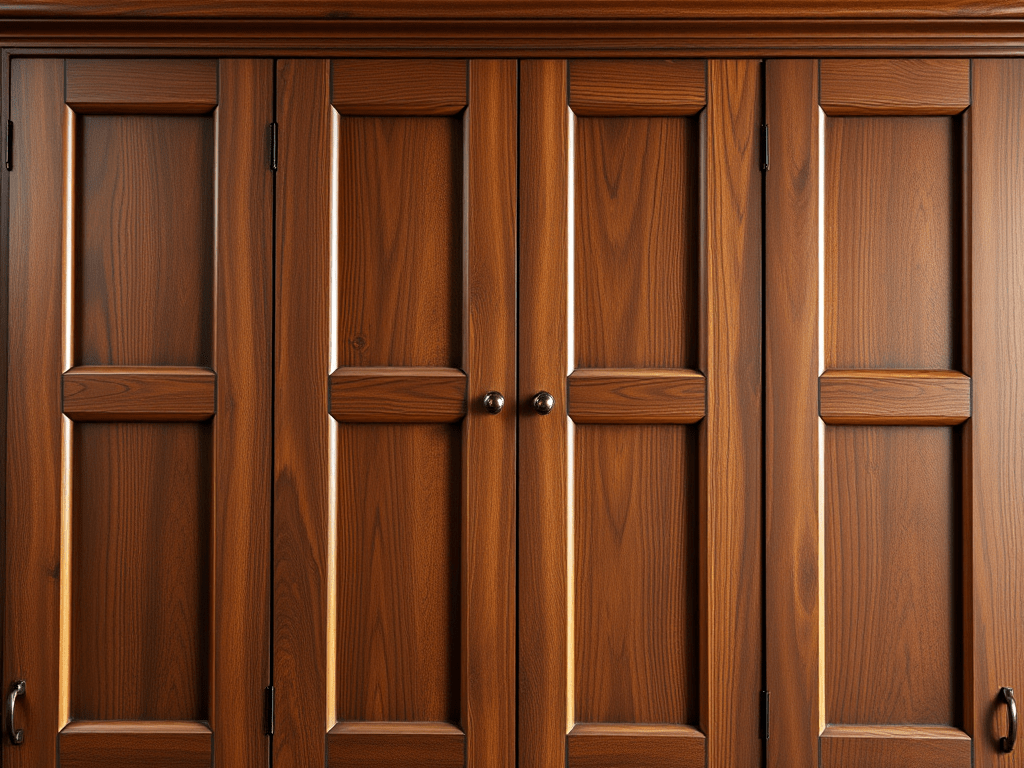
Upcycling is a sustainable practice that has gained popularity in recent years, allowing individuals to breathe new life into old furniture pieces. One item that is often overlooked for upcycling is the armoire. These large, freestanding cabinets are not only functional but can also serve as stunning focal points in any space. Here are some creative ideas for upcycling armoires:
1. Transform into a Home Office
With the rise of remote work, armoires can be transformed into stylish home offices. By removing the doors and adding a desk surface, you can create a cozy workspace. Use the interior shelves for storage—ideal for books, office supplies, and personal items.
2. Create a Mini Bar
Armoires can make excellent mini bars. Remove the shelving or rearrange them to accommodate bottles and glassware. Add lighting to the inside to create an inviting atmosphere, turning your armoire into a perfect entertainment hub.
3. Turn into a Craft Station
For those who love DIY projects, convert an armoire into a craft station. Keep all your supplies organized by adding shelves and bins. The doors can help keep clutter out of sight when not in use, maintaining a tidy appearance in your space.
4. Use as a Closet Organizer
If you’re short on closet space, an armoire can serve as a stylish closet organizer. Use hangers for clothing, and the drawers can store accessories. Paint and embellish the armoire to match your bedroom decor for a cohesive look.
Upcycling armoires is a creative way to reduce waste while enhancing your home decor. With a bit of imagination and effort, an old armoire can be transformed into a functional piece that meets your needs and reflects your personal style. Whether you’re creating a workspace, a mini bar, or a cozy spot for your pets, the possibilities are endless!
Once considered a staple of traditional furniture, armories have made a remarkable comeback in modern interior design. These versatile pieces, originally designed to store clothing and linens, have been imagined and repurposed in imaginative ways, transforming spaces and adding a touch of elegance to any room. In this article, we explore the creative use of armories and how they can enhance the functionality and aesthetics of your home.
History and Evolution of Armories
Drawing on the grandeur of the Versailles Palace, the first armoire designed by a cabinetmaker for Louis XIV emerged as a pinnacle of craftsmanship and opulence. These armoires were more than mere storage solutions; they were masterpieces showcasing the intricacies of Baroque design. Adorned with ornate carvings, gilded details, and luxurious veneers, each piece reflected the absolute monarchy’s taste for the extravagant and the exquisite. Crafted from the finest woods and topped with elaborate marquetry, these armoires were symbols of both utility and art. They housed the monarch’s lavish garments, precious linens, and valuable accessories, all while adding to the splendor of the royal chambers.
The cabinetmakers during the reign of Louis XIV paid close attention to detail and demonstrated a high level of artistry in their furniture design, which has influenced subsequent styles. As time progressed, armoires maintained their revered status within aristocratic homes, evolving in style yet always retaining their essence of elegance and functionality. Today, they serve as versatile pieces in contemporary interiors, blending historical grandeur with modern utility. Whether as compact home offices or elegant kitchen pantries, the legacy of the first armoire designed for Louis XIV lives on, a testament to the timeless allure of masterful craftsmanship.
Armoires have a rich history dating back to the Middle Ages, where they were primarily used as storage for weapons and armor. Over the centuries, their purpose evolved, and they became an essential piece of furniture in households for storing clothing, linens, and other valuable items. Traditionally made from wood and often elaborately carved, armoires were a symbol of wealth and status.
In the modern era, armoires have shed their purely utilitarian image and have become a canvas for creative expression. Designers and homeowners alike have discovered new and innovative ways to incorporate these timeless pieces into contemporary interiors.
Armoire as a Home Office
One of the most popular modern uses for armoires is as a compact home office. With the rise of remote work, having a dedicated workspace is essential. An armoire can be transformed into a functional home office by adding shelves, a desk surface, and storage compartments for office supplies. When not in use, the doors can be closed to conceal the workspace, keeping the room tidy and clutter-free.
How to Create a Home Office Armoire
- Measure the interior space to ensure it can accommodate your office needs.
- Install adjustable shelves to store books, documents, and office supplies.
- Install a pull-out or fold-down desk for workspace.
- Incorporate lighting to ensure the workspace is well-lit.
- Use cable management solutions to keep cords organized and out of sight.
Armoire as a Pantry
In kitchens with limited storage space, an armoire can serve as an elegant pantry. Its spacious interior can be fitted with shelves, baskets, and hooks to store canned goods, dry ingredients, and kitchen utensils. This creative solution not only maximizes storage but also adds a touch of vintage charm to the kitchen.
Creating a Pantry Armoire
- Choose sturdy shelves that can support the weight of pantry items.
- Install hooks and baskets on the doors for additional storage.
- Label shelves and containers to keep items organized.
- Utilize clear jars and containers to easily identify contents.
- Add a chalkboard or corkboard on the inside of the doors for grocery lists and meal planning.
Armoire as an Entertainment Center
Transforming an armoire into an entertainment center is another popular use. Whether you’re storing glasses, mixers, or your favorite spirits, an armoire bar cabinet can be customized with stylish and functional accessories. Add under-shelf lighting to highlight your collection and create a cozy, inviting atmosphere for your guests. Consider incorporating a small refrigerator to keep beverages chilled and easily accessible. Decorative trays and organizers can help keep bar tools and ingredients neatly arranged, ensuring that everything you need for a perfect cocktail is always within reach.
The armoire has a rich history, initially emerging as a large cabinet used for storing arms and armor in medieval times. Over the centuries, its function evolved, and in the 20th century, it gained popularity as an entertainment center. With the advent of home televisions and stereo systems, armoires were repurposed to house these innovative technologies, providing a stylish and practical solution to conceal electronics and media collections when not in use.
In recent years, the armoire has seen a resurgence in popularity, not only as an entertainment center but also as a versatile piece of furniture for modern homes. Its adaptability has made it a favorite for use as a bar cabinet, offering a sophisticated and organized way to store and display beverage essentials. This renewed interest in armoires highlights their timeless appeal and functional versatility, making them a valuable addition to any home.
This allows you to hide electronic components, such as televisions, gaming consoles, and media players, behind closed doors when they are not in use. An armoire used in this way can keep your living room looking neat and stylish.
Steps to Convert an Armoire into an Entertainment Center
- Ensure the armoire is deep enough to accommodate your television and other electronics.
- Cut out the back panel for ventilation and cable management.
- Install adjustable shelves for media players, game consoles, and other devices.
- Use a sliding or swivel mount for the television to allow for optimal viewing angles.
- Incorporate storage solutions for remotes, controllers, and other accessories.
Armoire as a Bar Cabinet
For those who enjoy entertaining, an armoire can be converted into a chic bar cabinet. With the addition of wine racks, glass holders, and storage for bottles and barware, an armoire can become the centerpiece of your social gatherings.
Setting Up a Bar Cabinet Armoire
- Install wine racks to store bottles horizontally.
- Add glass holders to keep stemware secure and easily accessible.
- Incorporate shelves and drawers for storing mixers, spirits, and bar tools.
- Use decorative elements, such as mirrors and lighting, to enhance the bar’s ambiance.
- Consider adding a small refrigerator or ice maker if space allows.
Armoire as a Children’s Wardrobe
In a child’s room, an armoire can be adapted to store clothing, toys, and books. This practical and charming solution helps keep the room organized while providing easy access to their belongings. Personalize the armoire with fun colors and designs to match the room’s decor and your child’s personality.
Designing a Children’s Wardrobe Armoire
- Install low hanging rods for easy access to clothing.
- Use bins and baskets to store toys, books, and accessories.
- Add hooks and pegs on the doors for hats, bags, and other items.
- Incorporate a chalkboard or whiteboard on the inside of the doors for doodling and notes.
- Personalize the armoire with paint, decals, or stencils to make it unique.
For a touch of elegance and practicality, consider using an armoire as a linen closet, providing ample space for towels, bedding, and other essentials. Install adjustable shelves to accommodate varied sizes of linens and add labeled baskets or boxes for easy organization. Enhance accessibility with pull-out drawers or sliding trays and use scented sachets to keep everything fresh.
Whether you’re transforming an armoire into a stylish bar cabinet, a cozy children’s wardrobe, or an elegant linen closet, the key lies in customization and creativity. By adding practical elements like adjustable shelves, low hanging rods, and storage bins, alongside decorative touches such as mirrors, patterned paper, and scented sachets, you can elevate an armoire from a simple storage unit to a focal point of any room.
These versatile pieces of furniture can effortlessly blend functionality with aesthetic appeal, making them indispensable in modern home decor. To add an individualized touch, line the interior with patterned paper or fabric, creating a delightful surprise each time you open the doors.
Finally, the creative use of armoires demonstrates their enduring appeal and versatility. Whether used as a home office, pantry, entertainment center, bar cabinet, or children’s wardrobe, armoires can be adapted to suit a variety of needs and styles. By thinking creatively and reimagining these classic pieces of furniture, you can transform your living spaces into functional and aesthetically pleasing havens.
Conclusion
The creative use of armoires demonstrates their enduring appeal and versatility. Whether used as a home office, pantry, entertainment center, bar cabinet, or children’s wardrobe, armoires can be adapted to suit a variety of needs and styles. By thinking outside the box and reimagining these classic pieces of furniture, you can transform your living spaces into functional and aesthetically pleasing havens. Armoires are more than just storage solutions; they are a testament to the beauty of blending form and function. Embrace the creativity and endless possibilities that armoires offer, and let them inspire you to elevate your home decor.
Visit my Facebook Page at Vintage old Treasures and my eBay store at http://www.eBay.com/str/vintageoldtreasures